





Spondylosis carries an association with ageing that is increasingly misleading. Yes, the degenerative disc and joint changes it describes are more common in older adults. But the factors that accelerate those changes – sustained poor posture, prolonged sedentary habits, high-repetition screen use, weak spinal support muscles – are present in people in their twenties and thirties at a scale that previous generations simply didn’t experience.
Understanding spondylosis as a process influenced by lifestyle, not just biology, opens the door to a far more optimistic outlook: if lifestyle accelerates it, changing lifestyle can slow it. And when professional non-surgical care is added, many of its effects can be meaningfully reversed.
What Happens Inside the Spine as Spondylosis Develops
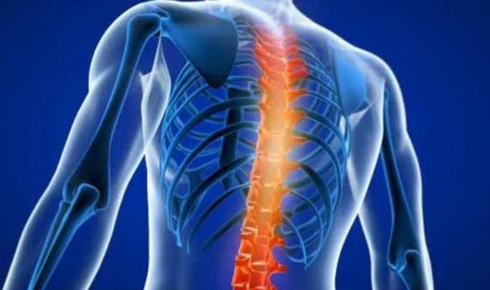
Spondylosis describes a cluster of degenerative changes that tend to occur together as spinal structures age or are subjected to chronic mechanical stress. The spinal discs – which are primarily water in their healthiest state – gradually lose hydration and height. As they flatten, the vertebrae above and below draw closer together, changing the mechanics of the entire segment.
In response to this instability, the body deposits additional bone around the vertebral edges in an attempt to stabilise the joint. These bone spurs, called osteophytes, can over time encroach on the spaces through which spinal nerves exit, creating nerve compression. The ligaments surrounding the degenerative segments may also thicken, further reducing available space for the neural structures.
The cervical spine and lumbar spine are most commonly affected, though thoracic spondylosis also occurs.
Symptoms Across the Spectrum
Spondylosis can exist for years without producing noticeable symptoms. When symptoms do appear, they typically develop gradually:
- Morning stiffness in the neck or lower back that takes progressively longer to resolve
- Aching that intensifies after prolonged sitting or certain sustained postures
- Reduced rotational range of motion in the neck – difficulty checking blind spots while driving
- Headaches originating from the cervical junction, often felt at the base of the skull
- Intermittent tingling or numbness in the arms or legs as nerve structures become involved
The gradual nature of symptom development is both the condition’s most deceptive quality and the argument for acting at the earliest signs rather than waiting for severity.
Lifestyle Strategies That Genuinely Slow the Process
Several evidence-informed daily habits have a real impact on spondylosis progression.
Postural consistency matters more than perfect posture. Maintaining a reasonable spinal alignment for most of the day – screens at eye level, lumbar support when sitting, avoiding sustained end-range positions – reduces the chronic mechanical loading that accelerates disc dehydration and joint wear.
Gentle, regular movement provides the joint lubrication and disc nutrition that sedentary habits deny. Short movement breaks throughout the workday, combined with structured gentle stretching of the cervical and lumbar regions, maintain the flexibility and circulation that keep degenerative changes from progressing rapidly.
Hydration deserves more attention than it typically receives in discussions of spinal health. Spinal discs have no direct blood supply – they rely on fluid imbibition for their nutrition. Adequate hydration directly supports disc health and slows the dehydration process central to spondylotic degeneration.
Non-Surgical Spondylosis Treatment: What It Achieves
Professional non-surgical care for spondylosis operates on two levels: relieving the current symptoms and creating conditions that slow further degeneration.
Non-Surgical Spinal Decompression Therapy gently separates the compressed vertebral segments through computer-guided traction, reducing the nerve pressure created by osteophytic encroachment and disc height loss. Improved fluid exchange supports disc hydration, partially counteracting the dehydration central to spondylotic degeneration.
Physiotherapy and posture rehabilitation address the muscular imbalances that both result from and contribute to spondylosis. Ergonomic assessment and correction reduce the ongoing mechanical stresses that perpetuate the condition.
At ANSSI Wellness, Spondylosis Treatment plans are personalised to each patient’s specific spinal findings and lifestyle. The combination of advanced decompression technology and targeted rehabilitation consistently achieves meaningful improvements in both symptom severity and long-term spinal function.
Conclusion
Spondylosis is not a sentence. It is a process – one that can be slowed, managed, and in many cases meaningfully improved with the right combination of lifestyle awareness and expert non-surgical care. The earlier that process is recognised and addressed, the better the long-term outcome.