
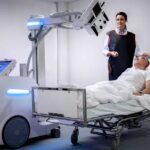




Modern hospitals often need to perform X-ray examinations outside the traditional radiology room. Patients in intensive care, emergency departments, recovery areas, and other wards may not be in a condition to travel for imaging. This is where portable radiography can play an important role. Mobile radiography allows trained professionals to bring imaging equipment directly to the patient’s location, helping reduce unnecessary movement and supporting a smoother clinical workflow.
Understanding Digital Radiography
Digital radiography uses an electronic digital detector to capture X-ray information and convert it into a digital image. Unlike traditional film-based methods, the image can be processed and displayed electronically for review.
A digital detector is therefore an important part of a modern X-ray system. Its performance, durability, handling, and compatibility with the imaging system can influence the overall examination process.
Where Mobile Radiography Makes a Difference
One of the main advantages of mobile radiography is flexibility. Instead of transferring a patient to a dedicated X-ray room, staff can perform an examination at the bedside when clinically appropriate. This can be particularly useful for patients who are critically ill, have limited mobility, or require continuous monitoring.
Portable imaging can also help departments manage workflow more efficiently. Once an image is acquired, digital systems can allow it to be processed and transferred electronically for review, depending on the hospital’s imaging infrastructure.
The Role of DRYSTAR 5302
Image printing can still be required in some healthcare environments, particularly where physical copies are needed for documentation, referral, or other clinical processes. The DRYSTAR 5302 is a dry imaging printer designed for medical image printing workflows. Systems in this category can provide a practical link between digital image acquisition and physical image output.
When integrated into an established imaging environment, the DRYSTAR 5302 can support departments that continue to require printed diagnostic images alongside digital records.
Improving Workflow Without Losing Safety
Technology should not replace good radiography practices. Proper patient positioning, exposure selection, equipment maintenance, quality assurance, and radiation protection remain essential. The FDA notes that radiography should use the lowest appropriate exposure and the minimum number of images needed for the examination.
A reliable digital detector can support a streamlined workflow, but staff training and appropriate equipment use remain equally important. Similarly, mobile radiography should be performed by qualified professionals following established safety procedures.
Conclusion
The combination of digital detector technology, mobile radiography, and reliable image output can help healthcare facilities build more flexible imaging workflows. Portable systems are especially valuable when patients cannot easily travel to a radiology department. With suitable equipment, trained professionals, and strong safety practices, digital radiography can support timely imaging while maintaining an efficient clinical environment.
Healthcare providers looking to modernize their imaging workflow can benefit from solutions built around dependable image acquisition, efficient processing, flexible mobile use, and consistent output. With experience across medical imaging technologies, the specialist provider behind these solutions focuses on helping healthcare facilities improve workflow efficiency, maintain dependable imaging operations, and support the changing needs of modern radiology.